
Kashmir has been a honeymoon destination for decades — and for good reason. The combination of lake houseboats, mountain meadows, Mughal gardens, and the particular quality of Kashmir light creates a setting that is genuinely romantic rather than just picturesque. It is one of those destinations that works better for two than for a group.
This 6-day honeymoon itinerary is built around pace rather than coverage. You will not see everything — that is deliberate. You will see the most beautiful places with enough time to actually be present in them.
Why Kashmir Works for a Honeymoon
Privacy on the lake: A Dal Lake houseboat gives you a private deck, your own shikara, meals served on the water, and the kind of seclusion that is difficult to find in more popular honeymoon destinations. The experience is inherently romantic without being manufactured.
The scale of the landscape: Mountains, lakes, meadows — Kashmir’s scale creates a feeling of being small and the world being large, which is its own kind of romantic.
The pace: Kashmir rewards slowness. The best honeymoon experiences here — watching the lake at dawn, sitting in the Gulmarg meadow in the afternoon, a late dinner on a houseboat — all require doing less, not more.
The food: Kashmiri food served on a houseboat, kahwa tea at the Mughal gardens, fresh trout in Pahalgam — the food experience is distinctive and memorable.
Before You Start
Best seasons for a honeymoon:
- April–May: Tulips, spring green, pleasant weather, snow still on peaks
- September–October: Autumn colours, clearest skies, comfortable temperatures, fewer crowds than peak summer
- December–February: Snow, skiing, the dramatic winter landscape — if you enjoy cold and skiing
Accommodation philosophy: Book the best houseboat you can reasonably afford for at least 3 nights. The houseboat experience is central to a Kashmir honeymoon. A quality A-category or Deluxe houseboat makes the experience significantly better.
Transport: Private cab for all 6 days. Non-negotiable for a honeymoon — you need flexibility, privacy, and comfort.
Day 1 — Arrival + Dal Lake Evening
Afternoon: Arrive in Srinagar. Transfer to your houseboat. Your host will meet you at the shore ghat and the shikara ride to the houseboat — past other houseboats, through the calm lake water — is your first proper Kashmir moment.
Take the afternoon slowly. Explore your houseboat, sit on the deck, have the kahwa that will be brought to you. Do not rush toward the sightseeing immediately.
Sunset: Shikara ride as the sun drops behind the mountains west of the lake. Ask your boatman to take you to a quiet corner of the lake away from the main tourist shikara routes. The light at this hour — warm on the water, the mountains going pink — is what you came for.
Evening: Dinner on the houseboat. The best houseboat meals are Kashmiri — Rogan Josh, Dum Aloo, Yakhni. Eat on the deck if the weather allows. Stargazing from a houseboat deck on a clear night, with no city light pollution on the lake side, is spectacular.
Overnight: Dal Lake houseboat.
Day 2 — Srinagar — Mughal Gardens & Old City
Early morning (5:30 AM): Dawn shikara ride. This requires an early wake-up that is absolutely worth it. The lake at first light — completely still, the sky reflected perfectly, the first fishing shikaras beginning to move — is the most beautiful thing in Srinagar. 45–60 minutes on the water.
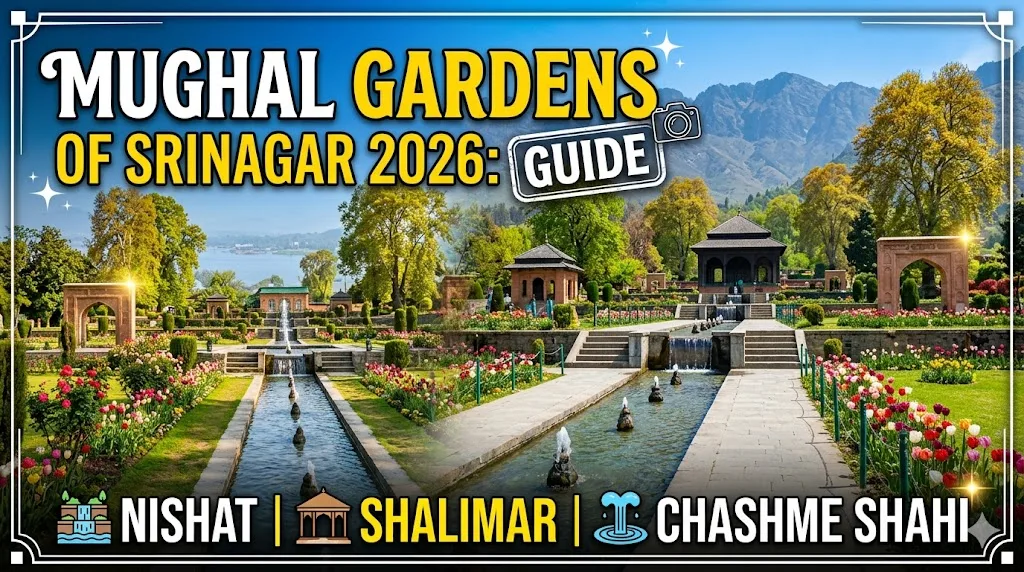
Morning: Nishat Bagh — the largest Mughal Garden. Arrive when it opens (9 AM) before the tour groups. The terraced garden in morning light, with Dal Lake visible at the bottom and the Zabarwan mountains above — spend 1.5 hours here rather than rushing through.
Walk to Shalimar Bagh (3 kilometres along the lake road) — the oldest of the Mughal gardens, slightly more formal, equally beautiful.
Afternoon: The old city — the lanes around Jama Masjid and Shah-e-Hamdan shrine. The 14th-century Shah-e-Hamdan shrine on the Jhelum River bank is one of Kashmir’s finest examples of traditional wooden architecture. Sit by the river for a while.
Late afternoon: Shankaracharya Temple for the panoramic city view. Go for the view, not just the temple — the entire Kashmir Valley visible from the hilltop.
Evening: Hazratbal Shrine for sunset — the white marble setting on the lake with the mountains behind it is best in the evening light.
Overnight: Dal Lake houseboat.
Day 3 — Pahalgam
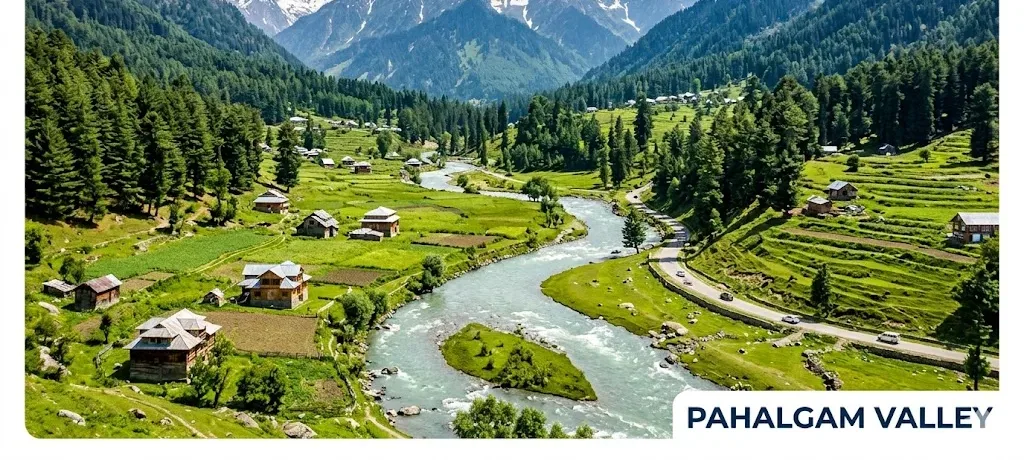
Morning (7 AM): Drive to Pahalgam (95 kilometres, 2.5 hours). The road follows the Jhelum River — a pleasant drive through orchards and villages.
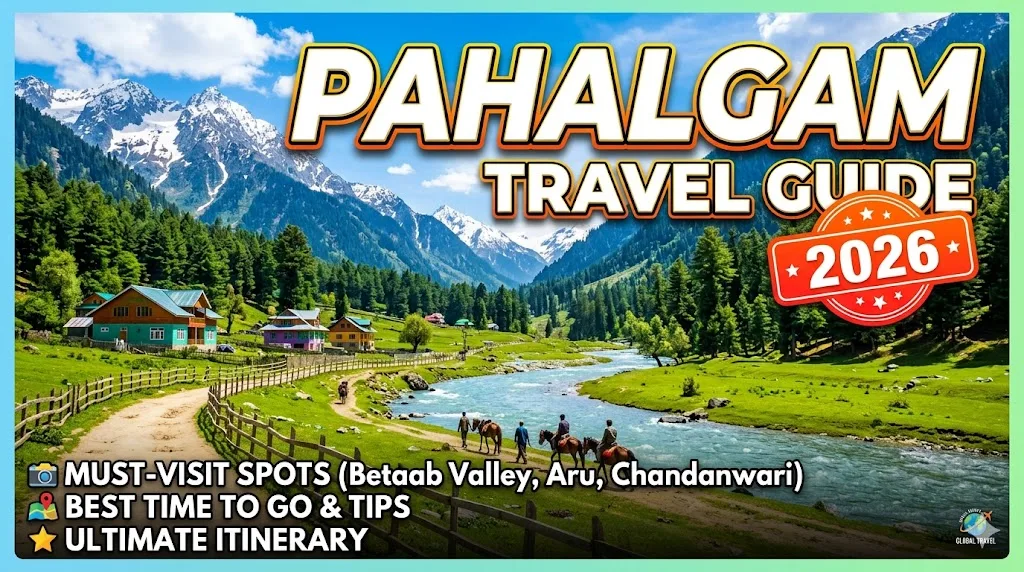
Late morning: Betaab Valley — arrive before 10 AM. Find a spot by the Lidder River, away from the path, and spend time simply being there. The meadow and river in morning light, with the forest walls on both sides, is the setting that Pahalgam is known for.
Afternoon: Aru Valley — the wider, quieter grassland 12 kilometres from Pahalgam in a different direction. Walk into the valley together. This is the starting point for the Kashmir Great Lakes trek — even if you are not trekking, the valley has a remote, unhurried quality.
Late afternoon: Return to Pahalgam town. The Lidder River runs through the centre — walk along the bank in the late afternoon light. Horse riding along the river is available if you want it.
Evening: Dinner in Pahalgam. Try the trout if a good restaurant has it — freshwater trout from the Lidder is a genuine local speciality.
Return to Srinagar by 9–10 PM (2.5 hours). Alternatively, stay overnight in Pahalgam at a river-view hotel for a more relaxed Day 3.
Overnight: Dal Lake houseboat or Pahalgam hotel.
Day 4 — Gulmarg
Morning (7:30 AM): Drive to Gulmarg (50 kilometres, 1.5 hours). Arrive at the gondola base by 9 AM.
Gulmarg Gondola: Take Phase 1 to Kongdori and Phase 2 to Apharwat Peak (pre-book Phase 2 tickets). At 3,980 metres, with the Himalayan range visible in every direction and snow underfoot regardless of season — this is the most dramatic viewpoint accessible without serious trekking in all of J&K. Spend 1.5–2 hours at the top.
Midday: Return to the meadow level. Lunch in Gulmarg.
Afternoon: Walk the meadow together — the wide, bowl-shaped grassland enclosed by forested slopes is peaceful in the afternoon when most day-trippers have left. The Maharani Temple at the meadow edge makes a pleasant short walk. Horse riding across the meadow is available if you want the experience.
Late afternoon: Drive back toward Srinagar. Stop at any viewpoint on the Tangmarg road that catches your attention — the forested descent from Gulmarg has beautiful afternoon light.
Evening: Return to houseboat for dinner.
Overnight: Dal Lake houseboat.
Day 5 — Srinagar Free Day
Use Day 5 entirely at your own pace — this is the unhurried day that makes a 6-day trip different from a rushed 4-day trip.
Option A — Slow morning on the lake: Stay on the houseboat until late morning. Have breakfast on the deck. Read, talk, watch the lake activity. Take a mid-morning shikara ride to the floating market area if it is still active. Arrive at your first destination of the day at 11 AM rather than 8 AM.
Option B — Sonamarg day trip: Drive to Sonamarg (80 kilometres from Srinagar, 2 hours) for a different landscape — the meadow at the edge of the valley, Thajiwas Glacier, and the dramatic mountain terrain before the Zoji La pass. Return to Srinagar by evening.
Option C — Shopping and old city: Spend the day in Srinagar’s markets. Pashmina shawls, Kashmiri handicrafts, saffron, dry fruits, kahwa tea — allow 3–4 hours for unhurried shopping. Combine with lunch in the old city.
Evening: Final houseboat dinner. Make it a special occasion — ask your houseboat host to prepare a full Kashmiri meal. Most hosts take pride in these occasions and will put extra effort into the food.
Overnight: Dal Lake houseboat — final night.
Day 6 — Final Morning + Departure
Early morning: Final dawn shikara. This is the most important hour of the trip — do not skip it to get extra sleep. The lake at first light on your last morning in Kashmir is the memory you will carry.
Mid-morning: A final walk on Boulevard Road. The Chinar trees along the lake embankment. One last cup of kahwa at a lakeside cafe. A few final photographs.
Afternoon: Transfer to Srinagar Airport. Allow 30–40 minutes from Dal Lake.
Romantic Experiences to Add
Private shikara dinner: Some houseboat operators can arrange a private dinner served on a shikara on the lake — a table set up on the boat, candles, Kashmiri food, the dark lake around you. Ask your houseboat host if this can be arranged. Not all boats offer it but many can organise it with advance notice.
Sunrise at Nishat Bagh: The Mughal Gardens open early. Going to Nishat Bagh at sunrise, before any other visitor, with the terraces and flower beds in first light and Dal Lake perfectly still below — this requires an early start but delivers an experience that the midday crowd never sees.
Local music: Some houseboats can arrange a private Sufiana Kalam performance — the traditional devotional music of Kashmir played on santoor and saz. This is the kind of experience that requires asking specifically and being willing to pay appropriately for a private session.
Honeymoon Packing Notes
- Formal clothes are unnecessary — Kashmir is casual
- Warm layers for evenings even in summer
- One nice outfit for the special dinners
- Comfortable walking shoes that have been broken in
- A light scarf for women (useful at shrines and mosques)
Budget Estimate — 6 Days Honeymoon (Per Couple)
| Item | Range |
|---|---|
| Houseboat (5 nights, A–Deluxe category) | ₹20,000 – ₹80,000 |
| Private cab (6 days) | ₹21,000 – ₹30,000 |
| Gulmarg Gondola (2 persons) | ₹3,800 |
| Meals (6 days, 2 persons) | ₹12,000 – ₹24,000 |
| Shikara rides and activities | ₹4,000 – ₹8,000 |
| Entry fees | ₹1,000 – ₹2,000 |
| Shopping | Variable |
| Total (excluding flights, per couple) | ₹62,000 – ₹1,48,000 |
The houseboat quality drives the budget more than anything else. A Deluxe category houseboat at ₹10,000–₹15,000 per night for 5 nights (₹50,000–₹75,000) is the biggest single cost. Budget honeymooners can choose A or B category boats at significantly lower rates and still have the essential experience.
Published by VisitJK — honest travel guides for Jammu & Kashmir. Last updated June 2026.

Rahul Naik is a Jammu & Kashmir local who has spent years exploring the Kashmir Valley, Jammu region, and high-altitude areas of the Union Territory. He has personally visited every major destination covered on VisitJK — from Dal Lake houseboats to Gulmarg slopes to the remote villages of the Gurez Valley. VisitJK is built on that firsthand experience — honest, practical travel content written for visitors who want real information, not brochure language.